Free Shipping on $30+

Cart
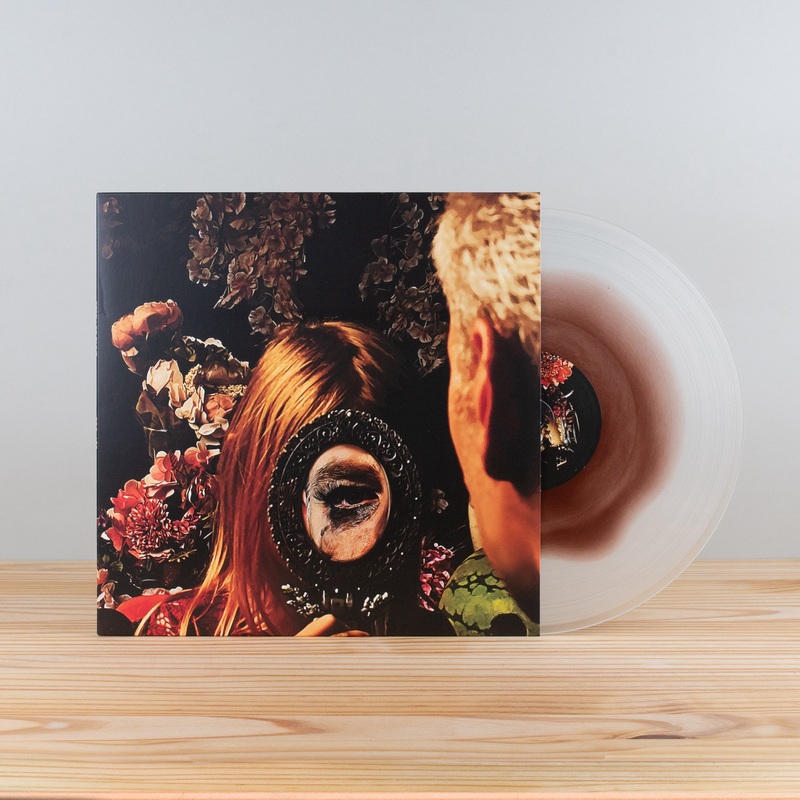
Birth of Omni began in the dark. Five years ago, when Nate Kinsella began writing his fifth album under the name Birthmark, his world, like that of so many others, felt upside down. This was early 2018, a year into the Trump presidency and amid the ubiquitous American fever of mass shootings and racist violence. Just months earlier, the dawning revelations of the MeToo movement had jolted him, ending his naivete and giving him insight into how the women in his life often saw the men in theirs. Nearing 40, he was finally a father, too, with a newborn daughter and another on the way. Into what kind of world, he sensibly wondered, was he bringing these kids? Early songs wallowed in this anxious question, the dim start of what he thought might be a not-especially-uplifting EP.
But five years later, Birth of Omni is a kaleidoscopic wonder of sound and sentiment, asking the same question Kinsella first posed for himself but arriving at a surprising answermaybe a better world, in fact, if only we can all be a little more open. Opportunities to grieve and fret overflowed, he reckoned, but he also wanted to celebrate the possibility of change, the joy of wonder, the essence of being. The result is the most dazzling and dynamic album of his storied career, with heavy beats and heavenly harps, cascading harmonies and quiet hymns, brutal noise and blissful arpeggios woven into 10 songs that capture the highs and lows, the vexations and victories of marriage, parenthood, and life itself. Maybe youve heard every Joan of Arc, American Football, LIES, and Make Believe record, but youve never heard Kinsella quite like this, because hes never sounded quite like thistotally open to every idea and emotion, unrestrained as he tries to frame the future in whatever light he can find.
The sequence of upending events that yielded those first sketches didnt end, of course. But when the pandemic began two years into work on Birth of Omni, Kinsella took its suspension of reality as an invitation to forget his own rules. He warped his voice with software until he questioned if it was still his, fluttering as it did through electric fractals or stretched until it seemed to trickle with sweat. And in a series of residencies in isolated cabins and the New York City art space Pioneer Works, he dove in and out of genres like never before, fusing ASMR readings and sampled voicemails to mutated disco and cherubic pop and orchestral emoting. A panoply of guests and friendsArone Dyer, Greg Fox, Jeff Tobias, Richmonds Spacebomb crew, among many othershelped him reach these unexpected syntheses. What was the past in a present so unprecedented?
Birth of Omni is rooted in parenthoodspecifically, the way it reflects back on ones own prerogatives or prejudices. His voice distended into a codeine drip, Kinsella wonders during opener Snowflake in My Palm (Not for Long) if giving his time and attention to his kids means the end of his own life, or the thing that actually makes him matter. During Butterfly, as beautiful as an early Sufjan Stevens symphony, he cavorts with his giggling daughters in the backyard, only to realize that their innocent game of chase presages the way they may one day need to flee some toxic dude. (A cover of Joan Armatradings secretly devastating Baby Woncha Come Home, sung by Dyer, affirms such encounters.) Can his kids, as he sings, help me change?
Im Awake steadily rises from a piano meditation on memory and ontology into an ode to maintaining a sense of innocence even as experience comes. Kinsella and his kids work through the spelling of rainbow until they get it right; the song shudders brilliantly, the future opening like a break in ominous clouds. Theres that change, cast in love. One track later, however, gunshots cutting through the sound of screaming children interrupt closer Pretty Flowers. Its an honest reflection of the doomsday reel that runs through this new fathers mind when it wanders, a jarring reminder of lifes real stakes. But Pretty Flowers returns in a tribute to his children, to the good that I feel. Its Birth of Omnis arc, cast in miniature.
Many of these songs confront the realities of aging, or the exigencies of long romantic relationships morphing into domestic partnerships. He ponders how to recapture a bit of that youthful lust in Red Meadow, offering up what he cannew clothes, a haircut, a romp in a fieldto disrupt their routine in a little box on a hill. But during Boyfriend, he coos like Usher about washing dishes and taking babies on neighborhood walks; it is a fully adult seduction, Kinsella saying come hither above rattling bass and ricocheting synths, apron still on. Roles and the relational bonds between us change, he realizes, and its up to us to make good on that.
Indeed, as he worked on Birth of Omni, Kinsella reckoned with his own sexuality, coming to grips with the acceptance that hed never really fit into the social straitjacket of masculinity hed tried to don neatly for 40 years. Now with a family and approaching middle age, could he admit that he was more than someones straight husband? Could he deal with it? The gorgeous and compulsive Rodney is a lustful song for the would-be paramour that gives the track its name, countered by Kinsellas awareness that maybe the escapades of his youth are behind him, that hes got other commitments in his life. Shudder to Thinks Craig Wedren backs Kinsella here, playing the real role of the supportive voice who has been here before. We make choices for those we love, Kinsella affirms during Rodney, but the adventures of our imaginations can and should remain endless.
Kinsella has a confession about Birth of Omni: No one may care about what he calls his dad record, his reckonings with approaching middle age, or the manifold musical fascinations of his chameleonic songs. Perhaps thats bad for business, he admits, especially since Polyvinyl has been such a steadfast advocate of his work. But isnt that kind of vulnerability and self-reckoning the point of Birth of Omni, to make yourself and hopefully your kids and maybe even the world a little better by being honest about and open with yourself? After all, he wrote, recorded, produced, mixed, and mastered this album alone, because these are notes to self, personal reminders of how he wants to exist moving forward. Birth of Omni began in the dark, but it exists now in the full light of an essential reality: Our roles change, as do we. Theres hope in knowing theres still somewhere else to go.
Written and performed by Nate Kinsella
Baby Woncha Come on Home
Written by Joan Armatrading, lead vocal by Arone Dyer
Additional Musicians and Personnel:
Melina Ausikaitis Voice (track 3)
Joachim Badenhorst Clarinet & Bass Clarinet (track 1)
Jamie Burns Voice (tracks 3, 7, 10)
Starr Busby Voice (tracks 2, 3, 9)
Pinson Chanselle Drums (track 3)
Majel Connery Voice (track 2)
Marilu Donovan Harp (tracks 2, 3, 9, 10)
Kristina Dutton Violin (tracks 2, 3, 4)
Arone Dyer Voice (tracks 2, 3, 4, 5, 8, 9)
Greg Fox Drums (track 1)
Amy Garapic Marimba (track 9)
Mara Grand Tenor Saxophone (tracks 1, 3, 10)
Devonne Harris Clavinet (track 3)
Gina Izzo Flute (tracks 2, 3, 9, 10)
Leeila Burns Kinsella Heartbeat & Voice (tracks 1, 3, 5, 9, 10)
Dagny Burns Kinsella Voice (tracks 2, 10)
Sam Kulik Trombone (track 10)
Ann Malinowsky Voice (track 3)
Chris McQueen Guitar (tracks 3, 4)
Alan Parker Guitar (track 3)
Mary Prescott Piano (track 1)
Cameron Ralston Bass (track 3)
Ben Russell Violin (track 8)
Slight Sounds ASMR Voice (track 1)
Jeff Tobias Bass Clarinet (track 9)
Alicia Walter Voice (track 6)
Craig Wedren Voice (track 4)
Paul Wiancko Cello & Viola (track 8)
William Brittelle Production Advisor
Shervin Lainez Photo
Amber Leone Management
Adrian Olsen Additional Engineering (track 3)
John Samels Design & Layout
“
You may also like
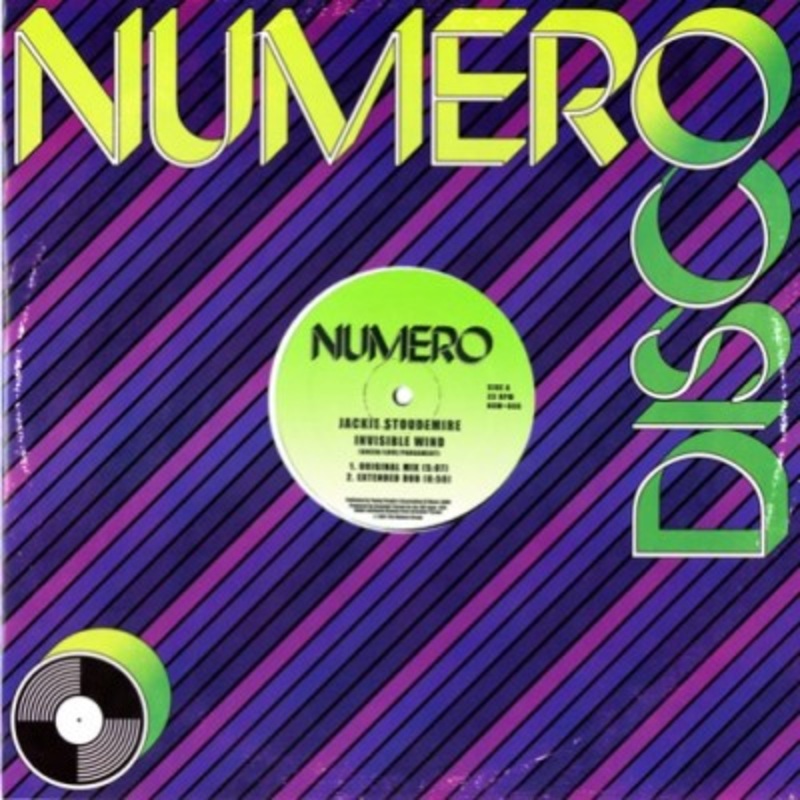
Invisible Wind
Original price was: $4.00.$2.40Current price is: $2.40.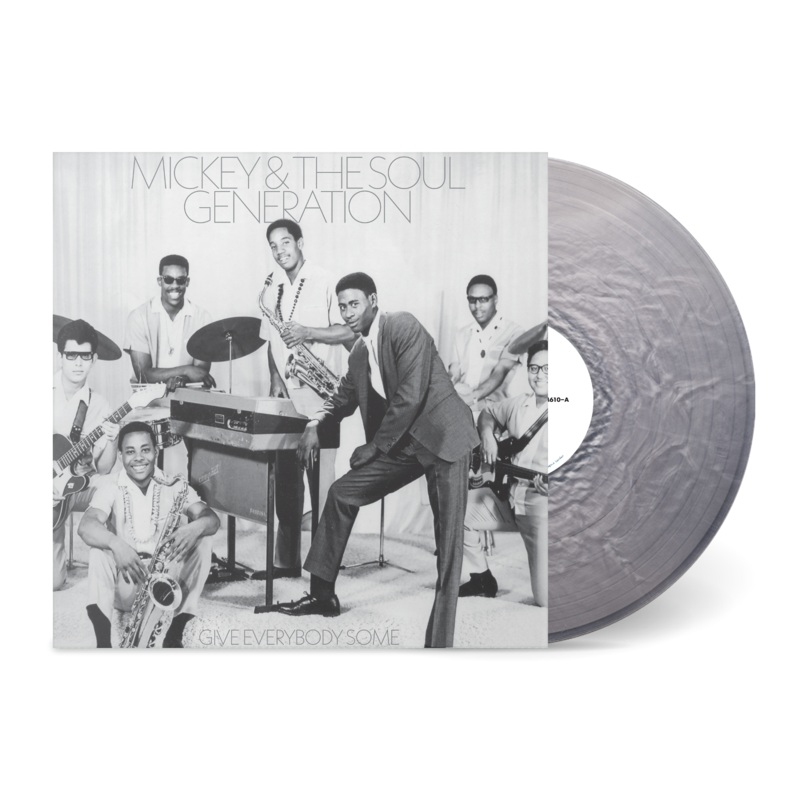
Give Everybody Some
Original price was: $27.00.$16.20Current price is: $16.20.